
Winter adventures in Lapland – where Arctic traditions meet pure play
At the far north of Europe, Cahkal Hotel sits at the meeting point of three Nordic countries –...
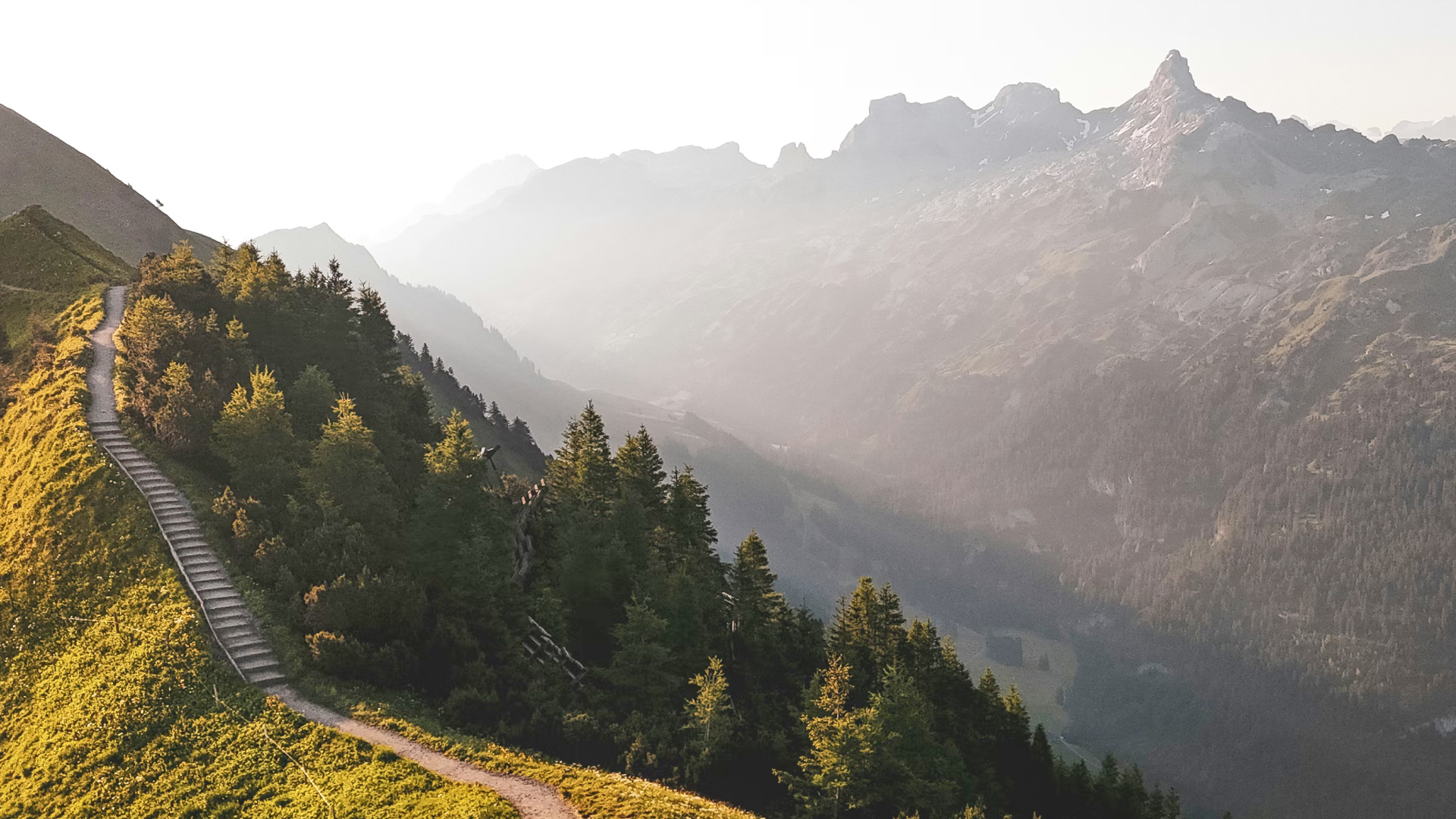
Hiking is one of the strongest intent drivers we see on metsa.ai. But interestingly, people almost never search just for “hiking”. They search for something more layered: hiking with a sauna, hiking with great food, hiking with architecture, hiking with silence.
That tells you everything. Hiking is no longer the goal. It’s the backbone of a much bigger experience.
And if you look at what’s happening globally, the same pattern is emerging.
On metsa.ai you can find 4000+ hiking routes alone in the Nordics and Switzerland, all linked to our handpicked hotels. But to help you to navigate through very different landscapes, let us introduce all those countries and their hiking delights, with 2 surprises in the end.
Ready? Let’s hike.
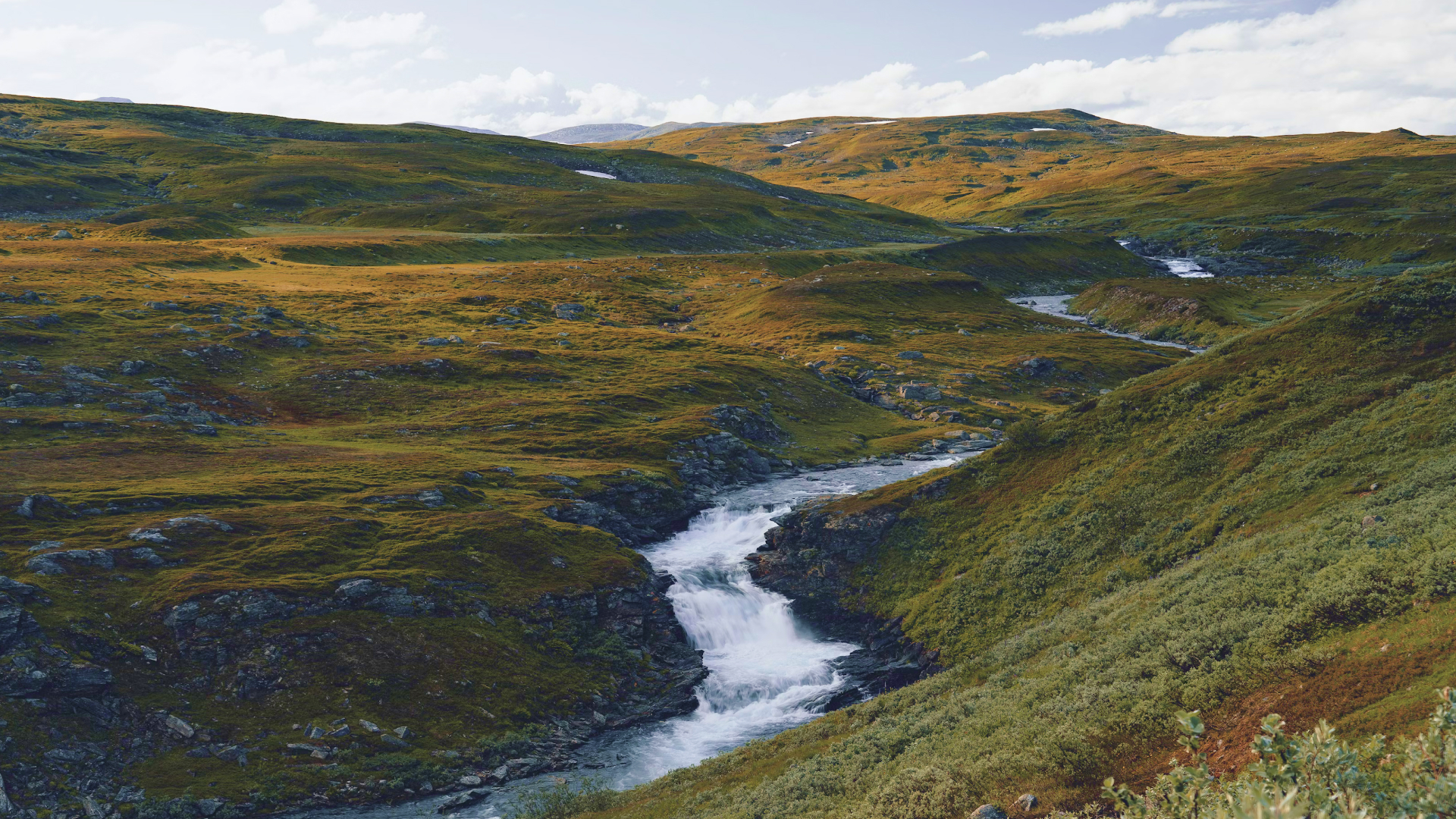
In Sweden you don’t just “go hiking” there — will be guided, helped while feeling safe and protected. Because the country has simply decided to build and operate the most complete hiking systems in the world.
You can find the absolute best picks of trails here, being either 100km, 270 or 1000+ km long, all with their shorter sub-trails and sections.
The King’s Trail - one of the most scenic, 450km long, hiking trails in Sweden - stretches through the far north, crossing mountain plateaus, birch forests, rivers and lakes. The trail, known in Swedish as ‘Kungsleden’, passes four national parks and parts of the UNESCO World Heritage Site Laponia. You can walk for days without seeing anything man-made beyond a simple mountain hut.
Then, further south, Skåneleden offers a completely different mood — softer, coastal, more accessible, but still deeply rooted in nature.
What hikers like about Sweden is that it respects both ends of the spectrum. You can go remote, or you can go gentle. Either way, the infrastructure is there, but it never feels intrusive.
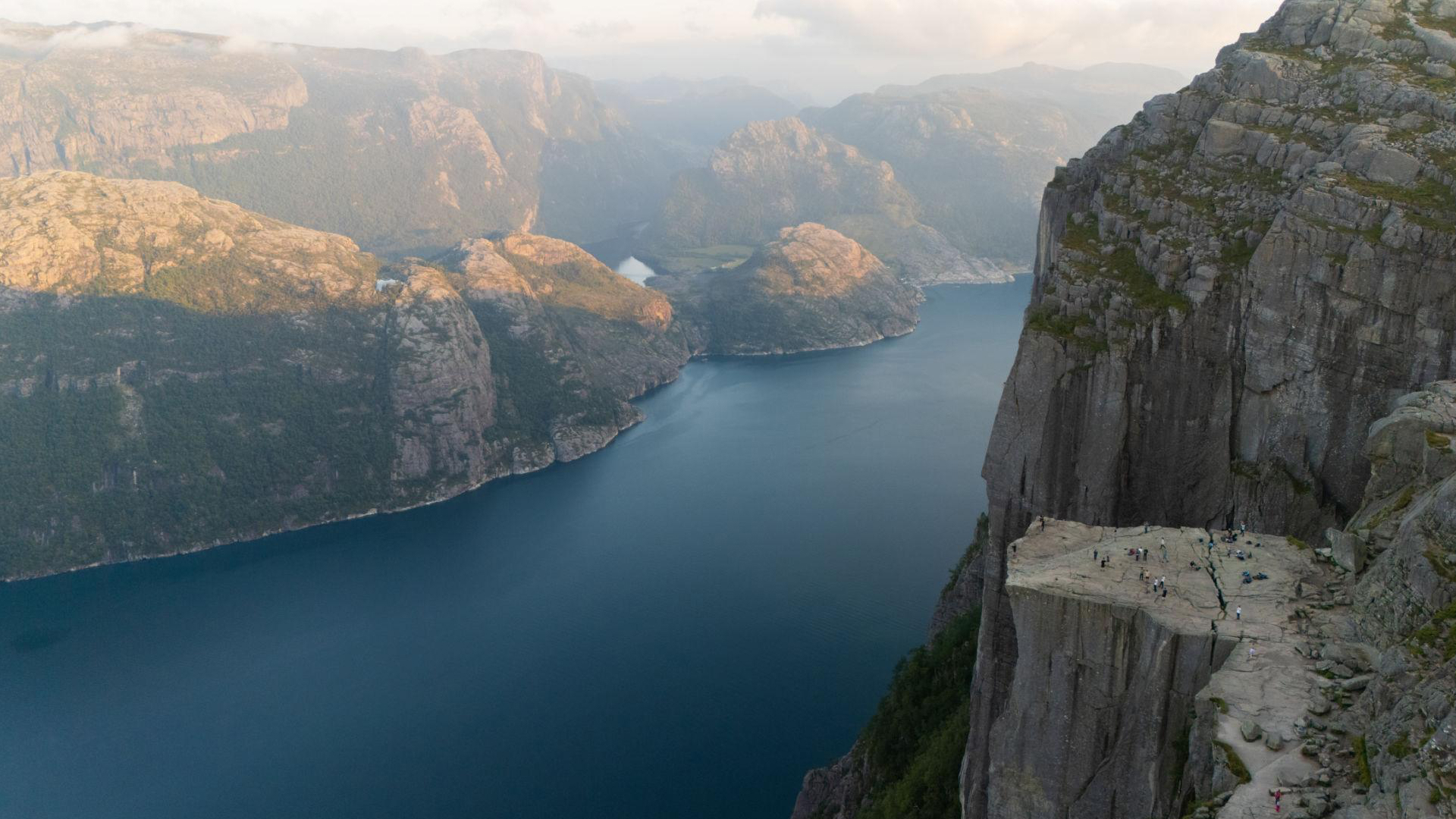
Norway is completely different - because it doesn’t ease you in hiking.
You start climbing, and very quickly you’re somewhere unforgettable. The fjords, the drops, the scale — it’s all immediate. Trails like Dronningstien or even shorter hikes like Preikestolen give you that feeling that you’ve earned something quite quickly.
But what’s changed in recent years is how well structured it all is. The cabin network, the trail marking, the information — it’s all become more accessible without losing the rawness. You can build the tracks for a day or for a longer period, coming back to your metsa.ai nature hotel for a night or tour around in nature for a whole week. Your pick.
Norway understands something very well: people want the “wow”, but they also want to know they’ll get back safely.
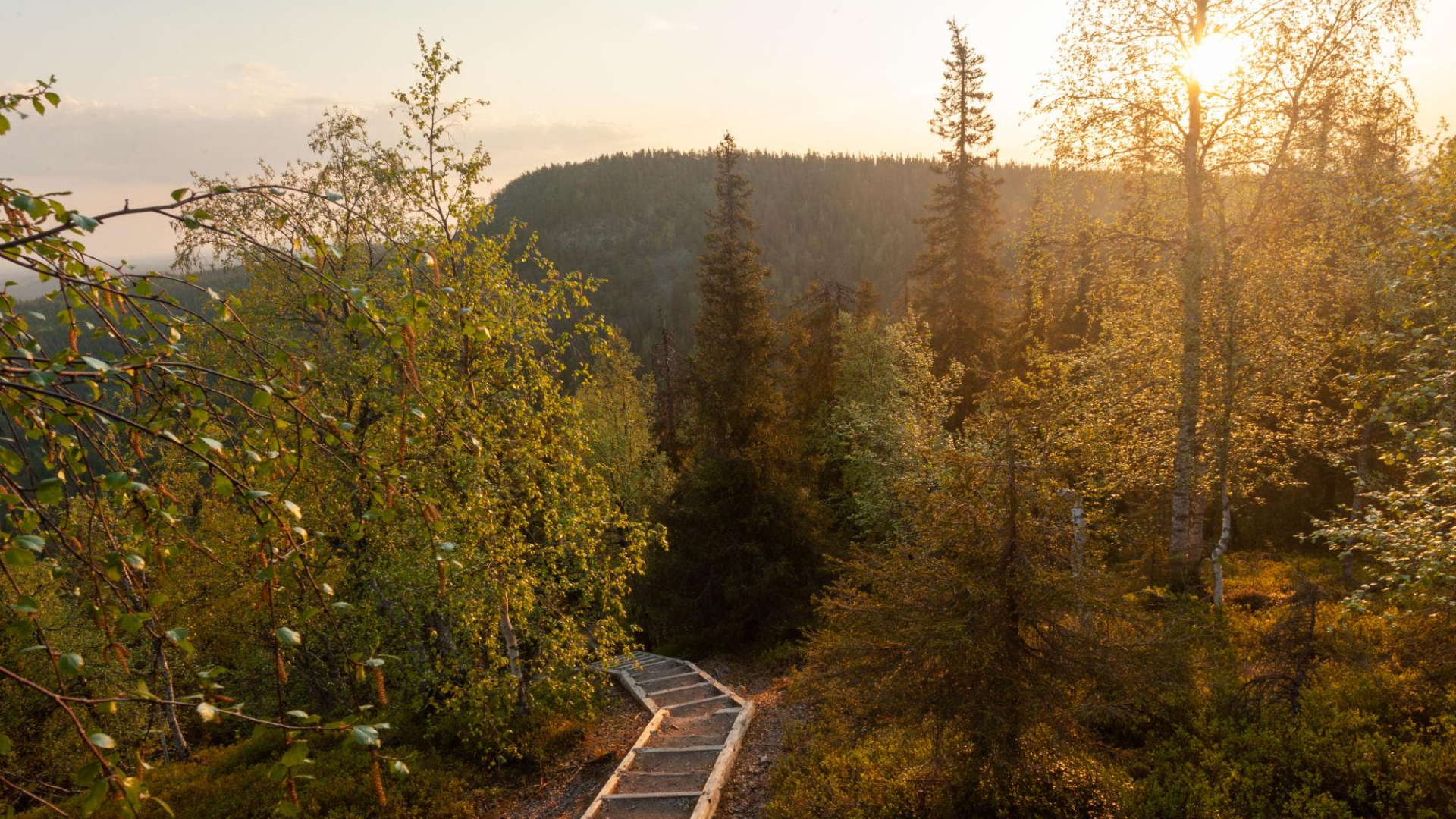
Finland is almost the opposite of Norway, and that’s exactly why it matters. There is no rush to impress you. No dramatic reveal around the corner. You walk through forests that look similar at first glance, and then slowly, almost without noticing, you settle into it.
Trails like the one to Karhunkierros in Kuusamo, Hetta-Pallas Trail in Western Lapland, and Pyhä-Luosto Trail in Central Lapland are less about reaching a viewpoint and more about entering a rhythm. You hear your steps, you notice the light, you start thinking differently. You don’t have to focus on your steps and the ground - and that gives unbelievable amount of relaxation.
If Norway gives you adrenaline, Finland gives you space and calm. And honestly, that’s becoming rarer.
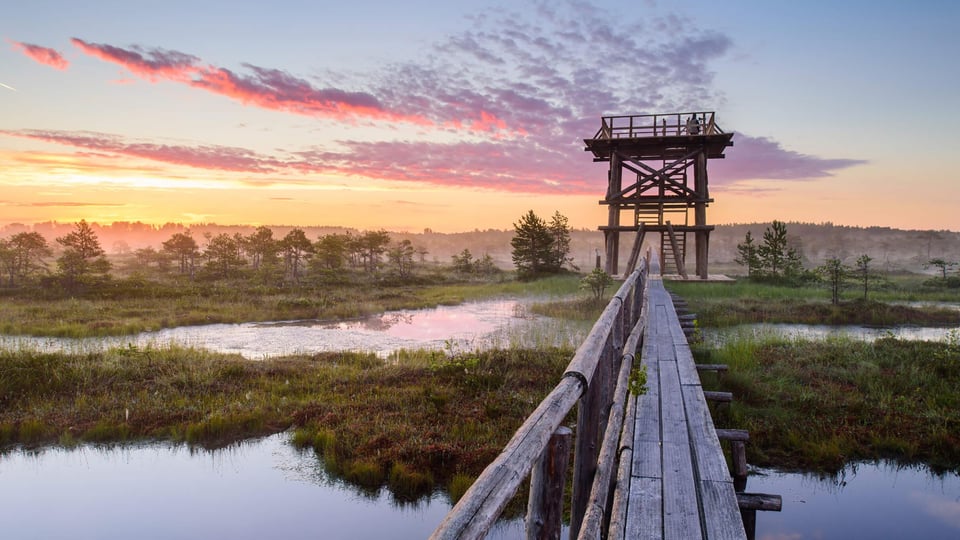
Estonia surprised even further – it simply drags you to the bogs.
The BBC recently described bog walking in Estonia as "otherworldly", and that's exactly right. You're not just hiking—you're moving across a living landscape. Soft ground, water pools, silence that feels almost amplified. Picture sunrise over a foggy bog, then—splash—straight into the lake
Boardwalk trails make it accessible, but the real experience starts when you step off them with bog shoes (or skies in winter time) and realise the ground beneath you is floating.
It’s not dramatic like Norway, not structured like Sweden, not meditative like Finland. It’s something else entirely and you will want to experience it!
Top 10 hiking trails in Estonia →
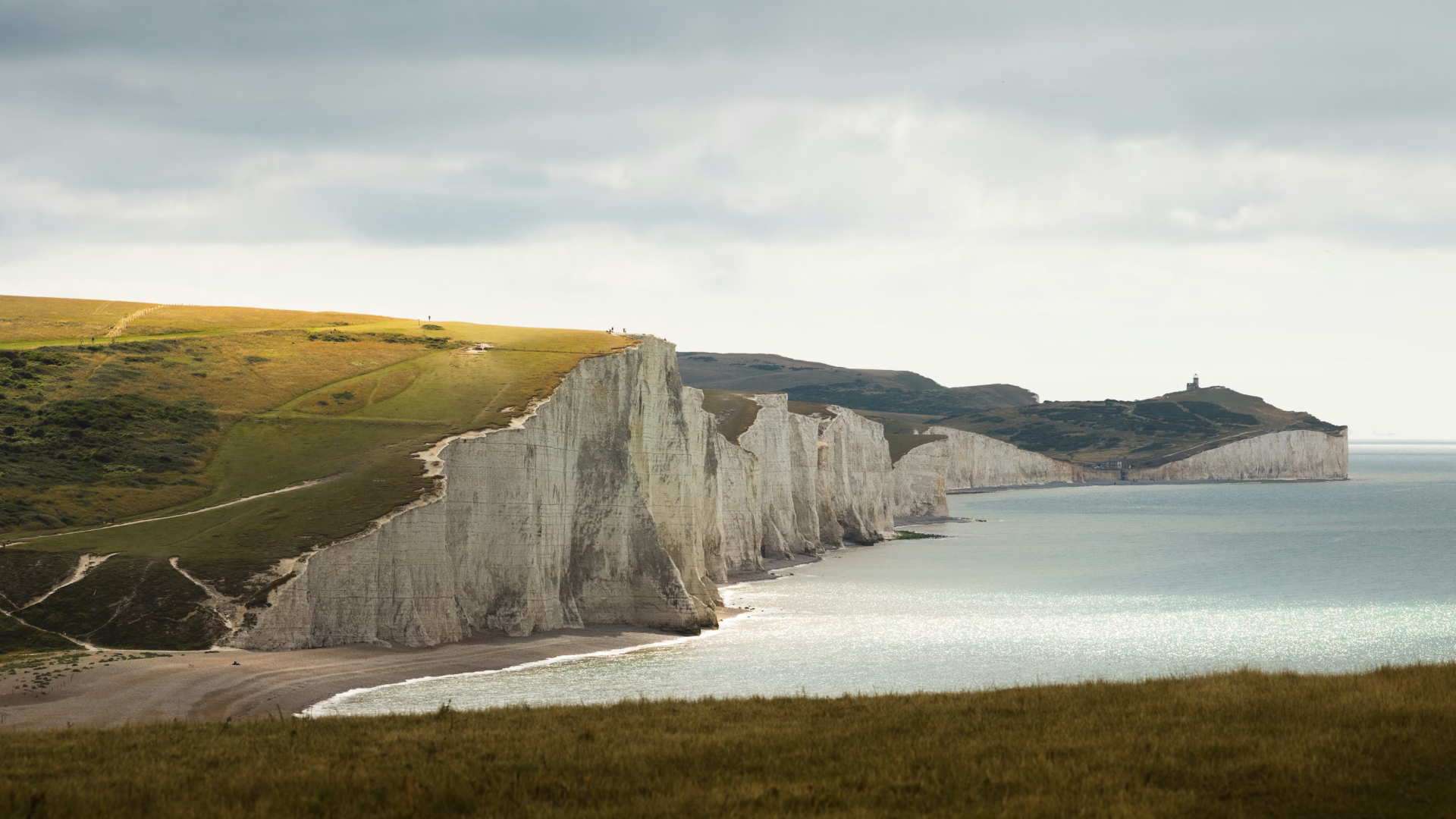
This is where it gets interesting. The UK just completed the King Charles III England Coast Path — a 4,300 km trail that goes around the entire English coastline. No, not a section or a highlight. The whole country.
And what struck most us in the metsa.ai team is this: it’s not about wilderness, it’s about access – for the first time, people can walk continuously around England’s coast, with legal access to areas that were previously fragmented or private. It connects villages, cliffs, beaches, towns — everything. It’s a completely different model from the Nordics.
In Sweden or Finland, access is cultural — it’s just how things work. In England, access has been engineered, negotiated, built. But the outcome is the same: people can move freely through landscapes. And that’s what matters.
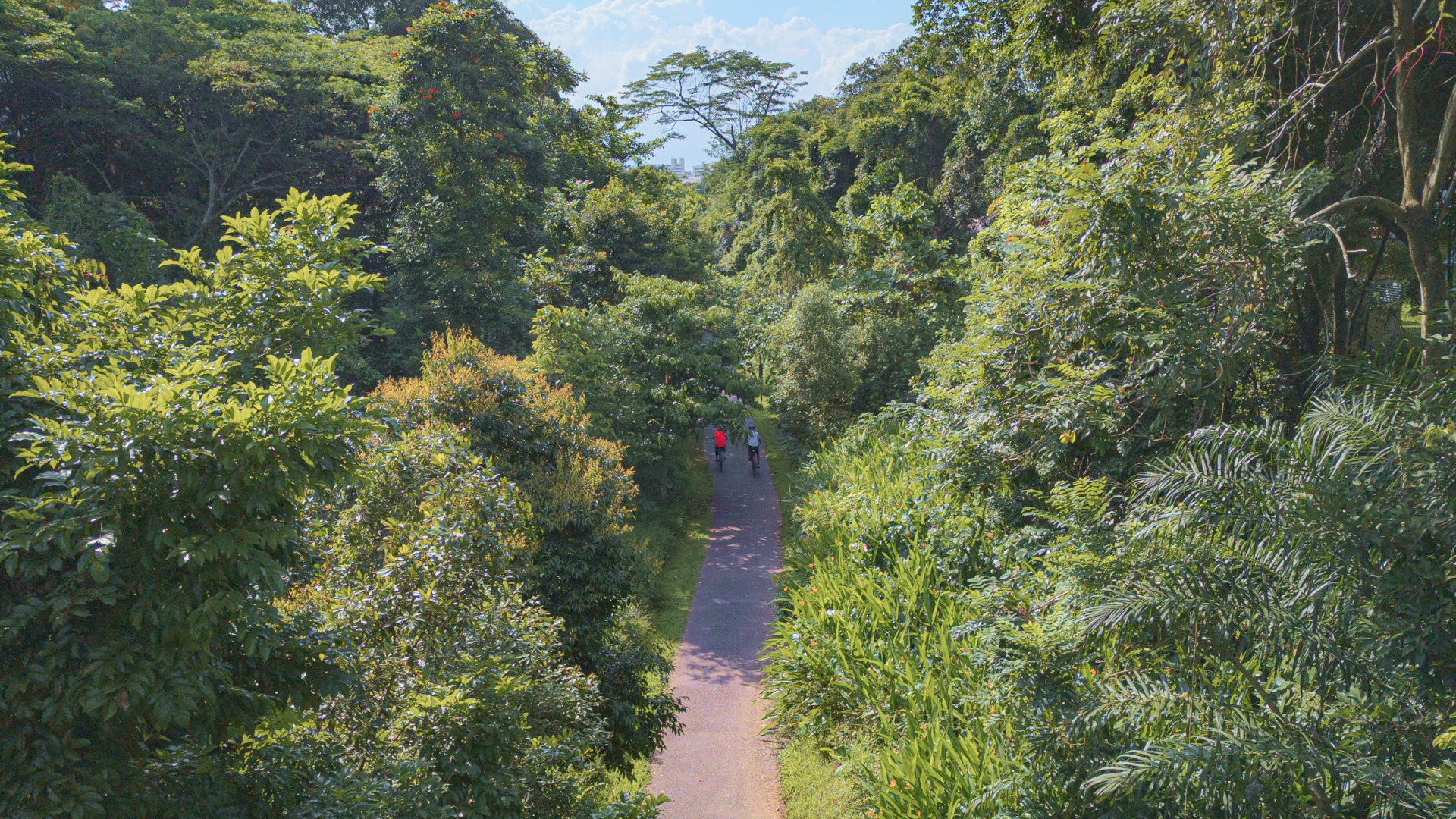
Singapore flips the entire idea of hiking on its head. Despite being on the other side of the Globe compared to Nordic countries, hiking, walking and running is a very strong part of their life. Singapore is not a country of vast wilderness or remote mountains but is instead one of the most urbanised places in the world. And yet, it has built a hiking experience that is surprisingly complete.
The official NParks hiking site makes it clear: you can choose from trails of different lengths and difficulty levels across the entire island, all designed to bring people into contact with nature.
But what makes Singapore interesting is how intentional it all is. Instead of discovering trails, they’ve engineered a system: park connectors linking the entire island, rainforest reserves embedded within the city and coastal, jungle, and heritage trails all within reach.
You can walk the Southern Ridges, moving across a 9 km stretch of parks connected by architectural bridges like Henderson Waves. Or spend hours in the MacRitchie Reservoir trail network, a 20 km system of forest trails and boardwalks inside a protected nature reserve.
And if you want something longer, the Coast-to-Coast Trail (old railway connecting both shores) stretches across the island, showing how even a dense city can create distance and continuity - one of visitors absolute favorites. You can land in Singapore in the morning and be on a tropical forest trail within an hour.
Metsa insight: Singapore proves that hiking doesn’t depend on untouched nature. It depends on how seriously a place takes access, design, and connection. And that’s a different kind of value.
When I put all of this together, a pattern becomes very clear. Different countries are solving for the same thing, in different ways:
And people? They love combinations and uniqueness and surprises.
That’s why, on metsa.ai, hiking almost always comes bundled with something else. Because the trail is just the entry point.
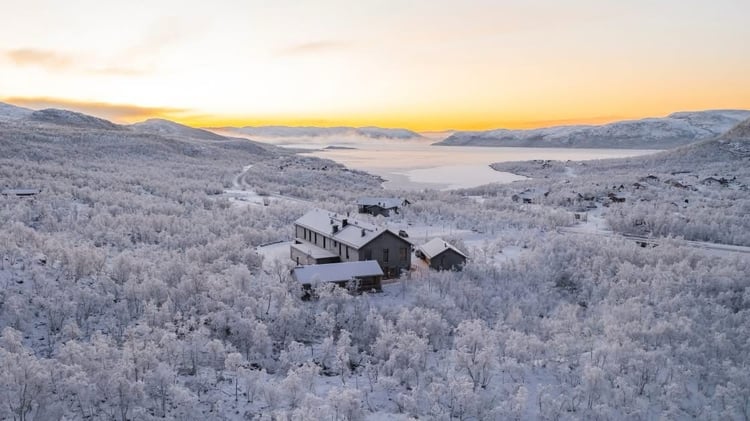
At the far north of Europe, Cahkal Hotel sits at the meeting point of three Nordic countries –...
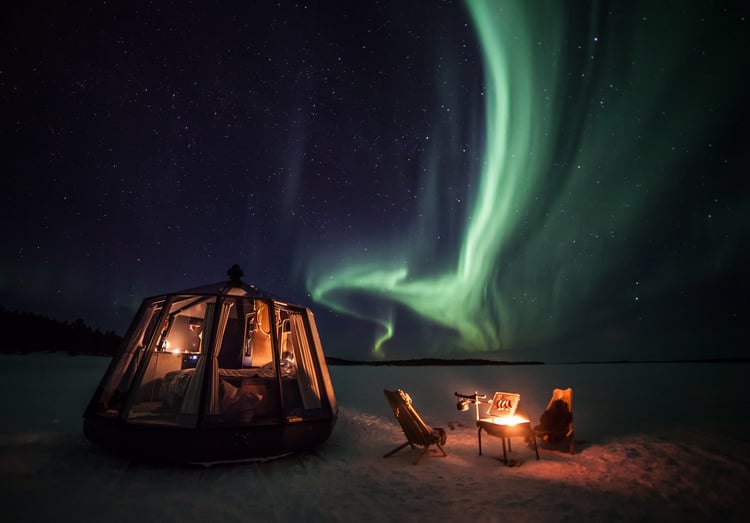
At the edge of the world, where the forest gives way to tundra and silence becomes a presence of...

Most travel now begins with an intention. A desire to spend days hiking through open landscapes. To...