
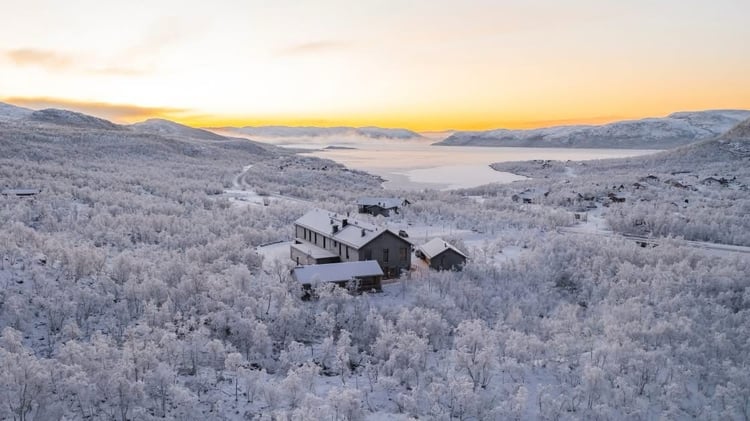
Peace & Quiet Nature Hotel, Swedish Lapland
At the edge of the world, where the forest gives way to tundra and silence becomes a presence of...
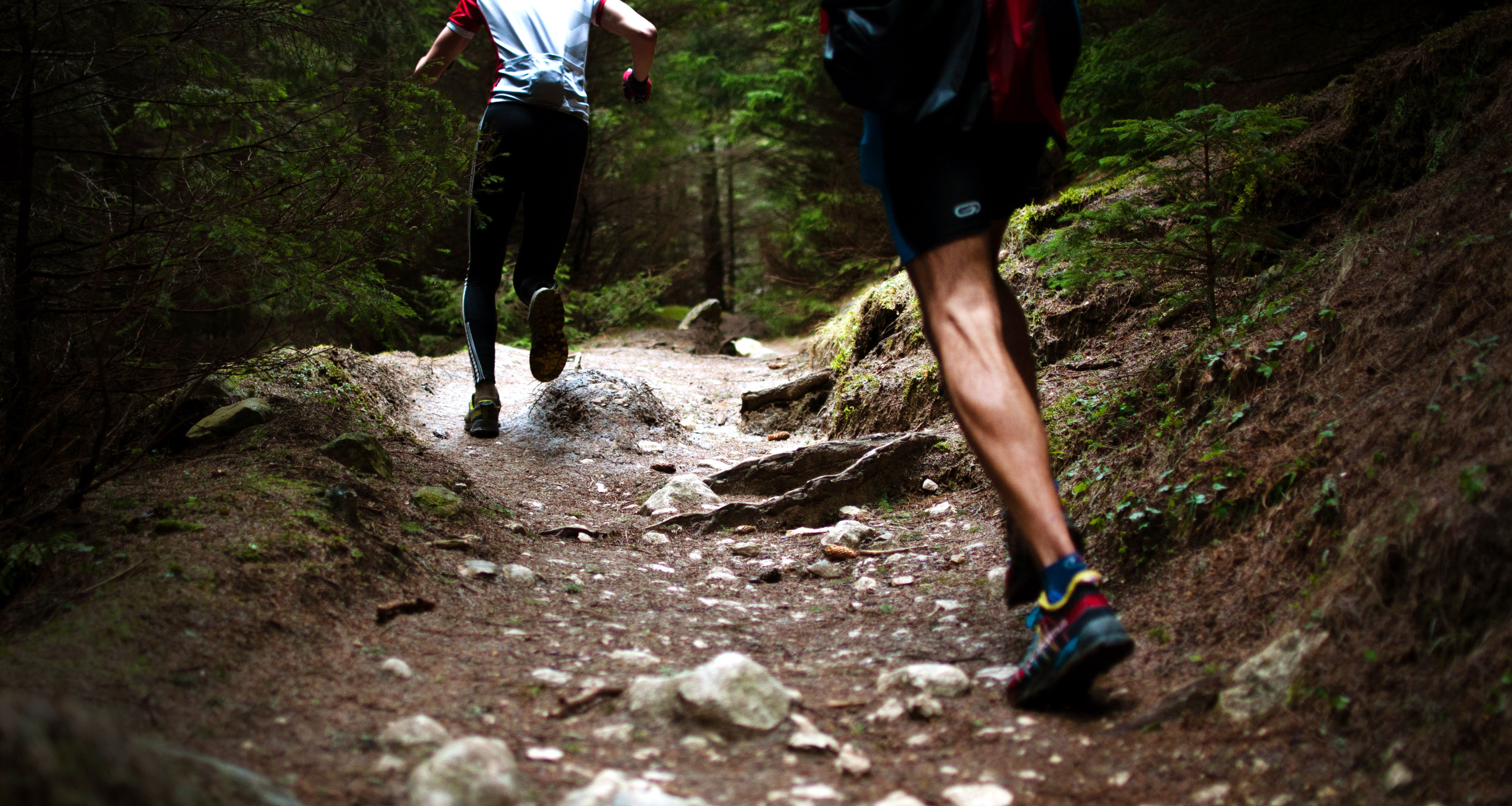
Adventure travel has moved decisively from niche to mainstream and is by now a trillion-dollar industry. According to Adventure Travel News and data from the global adventure travel industry, the sector is now valued at over USD 1 trillion and continues to grow faster than conventional leisure travel.
Recent industry reports highlight several defining facts:
The adventure travel market has grown at an estimated 10–15% annually over the past decade, consistently outperforming mass tourism.
Adventure travellers spend up to 65% more per trip than average leisure travellers, largely due to longer stays, local guides, and activity-based services.
Over 70% of adventure travel businesses are small or locally owned, keeping economic benefits within destinations rather than extracting value at scale.
Demand remains strong across age groups, with particularly rapid growth among travellers aged 40–65, combining physical activity with comfort and quality.
Importantly, soft adventure - such as hiking, cycling, paddling, skiing, and wildlife experiences - now represents the largest share of the market, far exceeding so-called “hard” or extreme adventure.
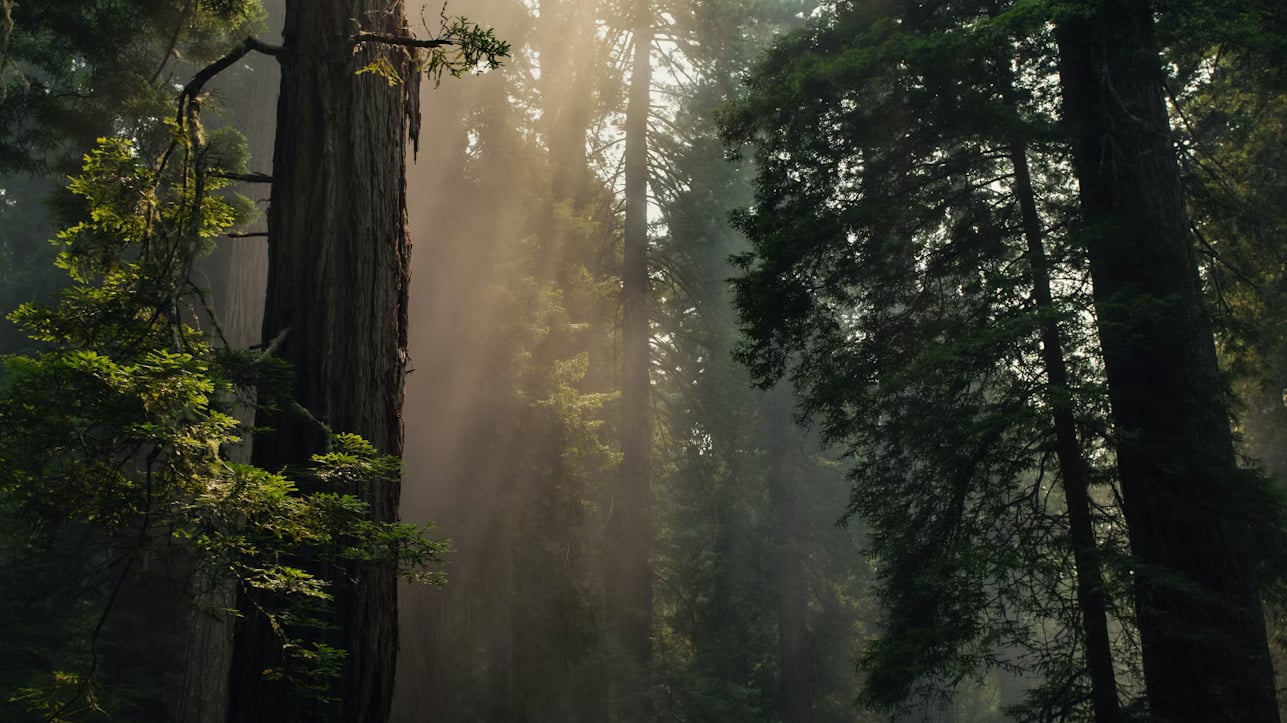
The report makes clear that adventure travel today is less about adrenaline and more about intentionality. Travellers are seeking connection with nature, physical and mental wellbeing, authentic local culture and food, and experiences that feel personal, not packaged. Sustainability is also a major driver, but not in a checkbox sense. Research shows adventure travellers are more environmentally conscious, more likely to support conservation, and more selective about where and how they travel.
For destinations and hotels, the growth of adventure travel rewards relevance over volume. Properties that succeed tend to be embedded in nature (not adjacent to it) and offer direct access to trails, water, or outdoor routes. They also benefit from designing services around active days and recovery, and hence attract guests who stay longer and return more often.
With global demand expected to continue rising through the next decade, adventure travel is no longer a trend to “watch.” It is one of the clearest indicators of where travel is heading: away from mass consumption and toward experience-led, nature-connected journeys.
Regardless to say - we love this at metsa.ai! 💚 See you in nature!🌿
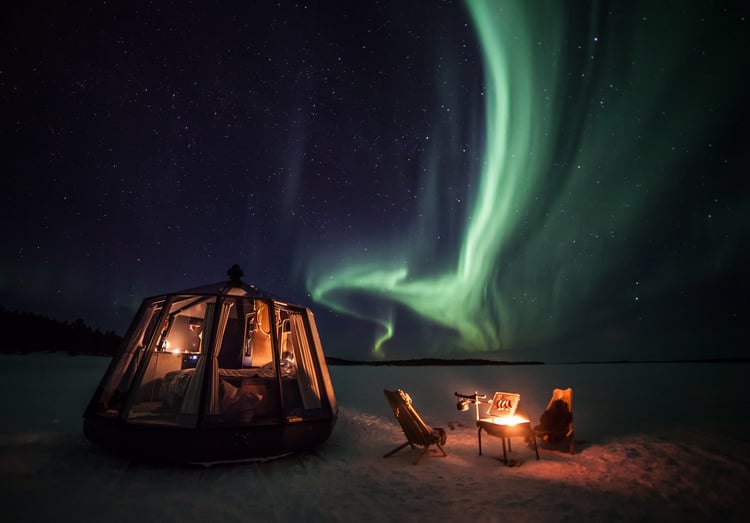
At the edge of the world, where the forest gives way to tundra and silence becomes a presence of...
Most travel now begins with an intention. A desire to spend days hiking through open landscapes. To...
At the far north of Europe, Cahkal Hotel sits at the meeting point of three Nordic countries –...