#outdoors
#naturetravel
#activelifestyle
Finding your rhythm in nature

Metsa.ai
Trail running and hiking are special ways to enter the place you are visiting. Here´s a blend of inspiration and practical guidance for those who seek more than just distance or elevation.
Why trails change us
Unlike roads, trails demand more presence. Roots, rocks, soft moss, wind-exposed ridgelines - each step is important. When you travel, that attentiveness deepens. You’re not just moving your body, you’re recalibrating your senses in an unfamiliar environment.
For many runners and hikers, this is where the real reward lies. It´s about mental decompression as cognitive load drops when attention shifts to terrain. It´s also about focus - uneven ground activates balance, coordination, and proprioception. And it´s activating place-based memory as you remember landscapes through effort more vividly.
Hidden-gem trail types to look for
Instead of famous routes, you might want to search for conditions that create exceptional experiences. Such as:
🍃Forest-to-water transitions
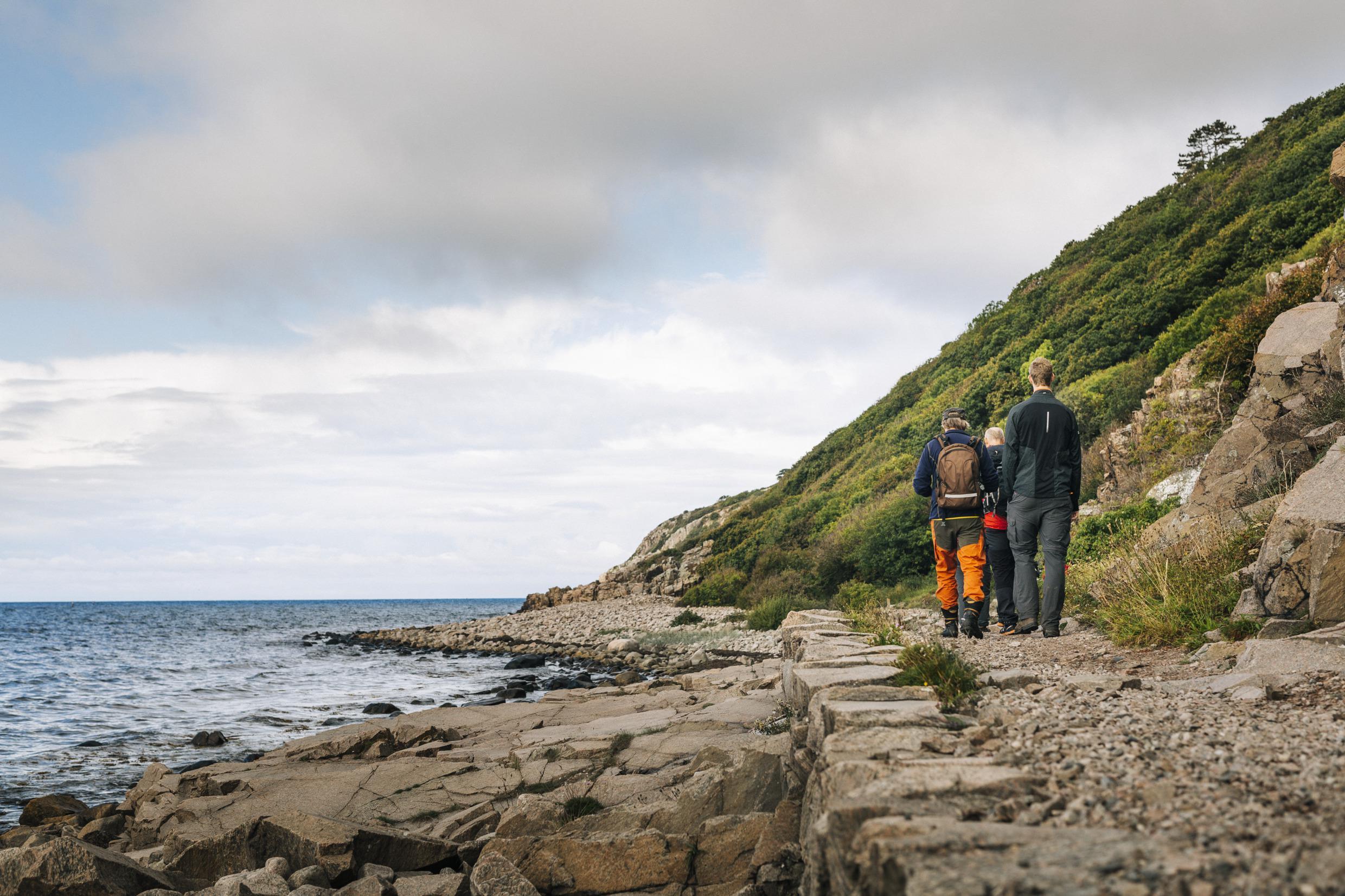
Trails that weave between dense woodland and open water (lakes, rivers, sea) offer constant sensory contrast and help to reset perspective.
Where to look: sparsely populated regions, boreal forests, archipelagos, large lake districts.
Why it works: alternating environments reduce perceived fatigue and keep the mind engaged.
🍃 Old utility or forestry tracks
Former logging roads, maintenance paths, or fire access routes often become quiet, runnable trails once reclaimed by nature.
Pro tip: ask local hosts or guides which “working paths” locals still use. These are rarely marked on tourist maps.
🍃Ridge or fell networks (not summits)
You don’t necessarily need dramatic peaks. Rolling highlands, plateaus, and fells provide wide views without technical climbing.
Why runners love them: steady gradients, wind exposure for cooling, and long sightlines that encourage flow.
🍃 Edge-of-season trails
Late autumn or early spring trails - when conditions are raw but stable - often deliver solitude and heightened atmosphere.
Physical considerations: move well, not just far
Trail travel places different demands on the body than urban training.
Key adaptations to plan for:
- Foot strength & stability: uneven terrain stresses ankles and calves—shorter, quicker steps help.
- Variable pacing: forget average speed; effort-based pacing prevents early fatigue.
- Recovery-aware travel: choose accommodation that supports movement—space to stretch, sauna or cold water access, nourishing food.
Simple rule: if the trail gets technical, shorten your stride and lengthen your patience.
Mental aspects: using trails as a reset tool
Many trail runners and hikers travel while carrying mental residue - work intensity, life transitions, decision fatigue. These practices might help:
- First kilometer rule: don’t judge the run or hike until after the first kilometre. Let the nervous system settle.
- Single-sense focus: for five minutes, anchor attention to one sense only - be it sound, smell, foot contact, or anything else.
- Out-and-back reflection: ask one question on the way out, don’t answer it. Often clarity appears on the return
Nature doesn’t solve problems directly, but it creates the conditions where solutions can surface:)
Choose places that support the experience
For trail-focused travel, accommodation matters a lot. Look for places that:
- Are directly connected to trails - no transfers required.
- Understand active rhythms: early breakfasts, flexible meal times, drying rooms.
- Offer mental quiet: low noise, considered design, views that don’t demand attention.
Remember - the best stays feel like an extension of the trail, not an interruption.